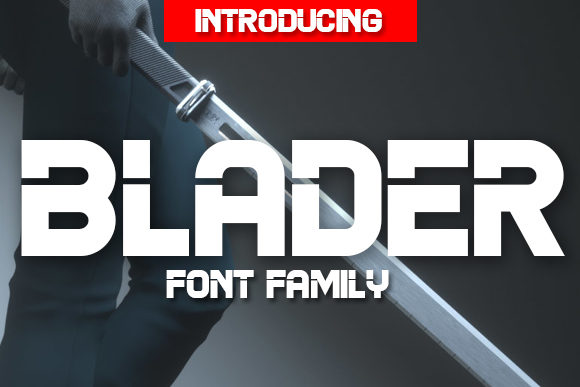
Blader: A Display Font for Strong Brand Identity
As a small business owner, you quickly learn that your brand is more than just a logo or a product. It is the feeling customers get when they see your packaging, read your social media posts, or walk into your shop. One of the most powerful tools for shaping that feeling is typography. Choosing the right typeface can turn a generic design into something memorable and trustworthy. This is where Blader comes in. As an awesome display font, it offers a unique feel that helps businesses stand out in crowded markets without sacrificing professionalism.
When I first started looking for ways to refresh my brand visuals, I realized that standard system fonts were not cutting it. They felt safe, but they did not tell my story. Blader is different. It is designed to grab attention, making it perfect for creating logos, social media posts, greeting cards, and much more. For entrepreneurs who want their materials to look consistent and high-quality, this premium font provides the visual weight needed to make a statement.
Why Visual Consistency Matters for Small Businesses
Consistency builds trust. When a customer sees the same style of lettering on your Instagram feed, your website banner, and your product label, they begin to recognize you. This recognition is the foundation of brand identity. Using a distinctive creative font like Blader ensures that your visual language remains cohesive across all touchpoints. Whether you are a boutique owner, a café operator, or an online seller, having a unified look makes your business appear more established and reliable.
A display font is specifically crafted for use at larger sizes. It is not meant for long paragraphs of text but rather for headlines, titles, and short bursts of information. This makes Blader ideal for the key moments where you need to capture attention quickly. In today’s fast-paced digital environment, you often have only a few seconds to make an impression. A strong, unique typeface can be the difference between a scroll-past and a click.
Real-World Applications for Blader
The versatility of Blader allows it to fit into various industries and business models. Here are some practical ways you can integrate this modern typography into your daily operations:
- Logo Design: A logo needs to be distinct. Blader’s unique character can serve as the primary element of a logotype, giving your brand an immediate personality.
- Packaging Design: If you sell handmade candles, beauty products, or artisanal foods, your packaging is your silent salesperson. Using Blader for product names or key features on labels adds a premium touch that justifies higher price points.
- Social Media Graphics: Platforms like Instagram and Pinterest are highly visual. Use Blader for quote graphics, sale announcements, or event covers to stop users from scrolling past your content.
- Printed Materials: From business cards to flyers and menus, this font works well in print. Imagine a café menu where the drink titles are set in Blader; it creates a hierarchy that guides the customer’s eye effortlessly.
- Digital Ads: In paid advertising, clarity and impact are crucial. Blader can make your headline pop against busy backgrounds, ensuring your message is read even on small mobile screens.
Pairing Blader with Other Typefaces
While Blader is striking on its own, it shines brightest when paired with complementary fonts. Since it is a display font, it should not be used for body text. Instead, pair it with a clean, readable sans serif font or a classic serif font for longer descriptions. This contrast creates balance. For example, if you are designing a thank-you card for your online shop, use Blader for the "Thank You" header and a simple sans serif for the personal note below. This combination ensures that the design feels expressive yet easy to read.
Avoid pairing Blader with other decorative fonts, such as a script font or a handwritten font, unless you are very experienced in design. Too many competing styles can clutter your message and dilute your brand’s professionalism. Keep it simple: let Blader be the star, and let the supporting typeface do the heavy lifting for readability.
Testing for Readability and Impact
Before rolling out Blader across your entire web design or printing hundreds of labels, test it in real-world scenarios. Print a sample label at the actual size you intend to use. Does it remain legible? View your social media template on a phone screen. Is the text clear? Readability is critical, especially for small business owners who need to communicate details like ingredients, prices, or dates clearly.
Also, consider the mood you want to convey. Blader has a specific personality. It might be perfect for a bold, modern streetwear brand or a trendy coffee roaster, but it might not suit a traditional law firm or a conservative financial advisory service. Align the font’s vibe with your target audience. If your customers value innovation and creativity, Blader will resonate with them. If they prefer tradition and subtlety, you might want to use it sparingly as an accent rather than a primary brand element.
Licensing and Professional Use
One crucial aspect of using any commercial font is understanding the license. As a business owner, you must ensure that you have the right to use Blader for commercial purposes. This includes using it on products you sell, such as t-shirts or mugs, as well as in client work if you are a designer. Always check the licensing terms provided by the font creator. Investing in proper design assets protects your business from legal issues and supports the creators who develop these tools.
Using licensed fonts also signals to your customers that you care about quality and legality. It is part of running a professional operation. When you invest in high-quality fonts, you are investing in the longevity and credibility of your brand.
In conclusion, Blader is more than just a set of letters. It is a strategic tool for building a recognizable and trustworthy brand. By using it thoughtfully in your logos, packaging, and marketing materials, you can create a cohesive visual identity that resonates with your customers. Take the time to experiment with pairings, test for readability, and ensure proper licensing. Your brand deserves to look as good as the products or services you offer.